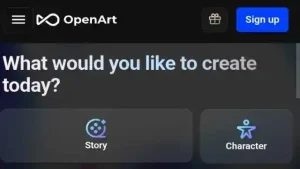
In an era where AI tools for visual content generation are rapidly evolving, OpenArt stands out as one of the leading platforms for anyone looking to transform text-based ideas into stunning images—and then refine and edit them with ease. The platform relies on a collection of advanced AI models, including image generation and diffusion models, offering users extensive flexibility in terms of style, lighting, background, composition, and even artistic themes such as anime or cinematic photography.
What truly sets OpenArt apart is that it goes beyond simple image generation to deliver a complete “creative workshop.” Within the platform, you can upload an image or a sketch and transform it into a finished artwork, edit existing images by removing backgrounds, use inpainting to fill missing areas, or apply upscaling to enhance resolution to professional levels. This approach makes the tool suitable not only for beginners seeking a simple and intuitive experience, but also for professional designers, content creators, and large agencies that require fast, end-to-end visual production.
On the pricing side, OpenArt offers enough flexibility to accommodate both light usage (via free or basic plans) and heavy usage (through advanced plans). The availability of a free plan lowers the barrier to entry and allows users to test the platform without financial risk before committing. Additionally, the presence of an active user community, a dedicated “Prompt Book,” and educational resources significantly accelerates the learning curve and helps users achieve better results.
In a practical workflow context—whether you are a content designer or a marketer—imagine wanting to produce a series of posters for a fashion project like “Karezma,” or preparing visuals for social media. With OpenArt, you can simply write a clear description, define a style such as “modern–Yemeni–heritage,” and generate a high-resolution image, refine it, and export it ready for publishing. This process dramatically reduces time costs and reliance on external resources. For larger initiatives—such as producing short videos or recurring brand characters for projects like “Final Buzzers” or pages such as “Defense Minutes”—the platform offers strong capabilities for consistency, repeatability, and rapid editing.
In summary, OpenArt is a platform that effectively blends creativity with artificial intelligence in a practical, production-ready manner. It provides a fast and professional bridge between ideas and visual publishing, making it a valuable tool for any modern visual project.
Pros
Text-to-image generation using multiple advanced AI models.
Powerful built-in editing tools, including inpainting (repairing/filling image areas), background removal, upscaling, and more.
High level of control over characters, backgrounds, and artistic styles, enabling broad creative freedom.
A free plan that allows risk-free experimentation—ideal for beginners.
Versatile use cases, from advertising design and social media content to professional design and video creators.
Flexible credit-based system that lets users scale usage according to their needs.
Cons
Despite the “Infinite” plan, credits are still limited, meaning it is not completely unrestricted.
Some advanced features (such as bulk creation, custom models, and high-resolution video) require higher-tier paid plans.
Pricing may include temporary discounts or promotions (e.g., 50% annual offers), which can complicate long-term cost planning.
Credits are consumed differently depending on the model or action used, so the cost per image can vary.
Final output quality depends heavily on the user’s skill in prompt writing and editing—results are not fully “one-click” without practice.
Setting up a custom model may require additional time and a moderate level of technical knowledge.